Managing Grief
You are not alone. Our bereavement team walks alongside families and any member of the community who has experienced the loss of a loved one.
You are not alone
Grief is very personal and quite unique. Our Bereavement Services are here to help bereaved family members adjust to the death of a loved one. Richmond County Hospice offers grief support to a patient’s family members for thirteen months following their death.
Beyond our patient families, bereavement services are available to any member of our community who has experienced the loss of a loved one.
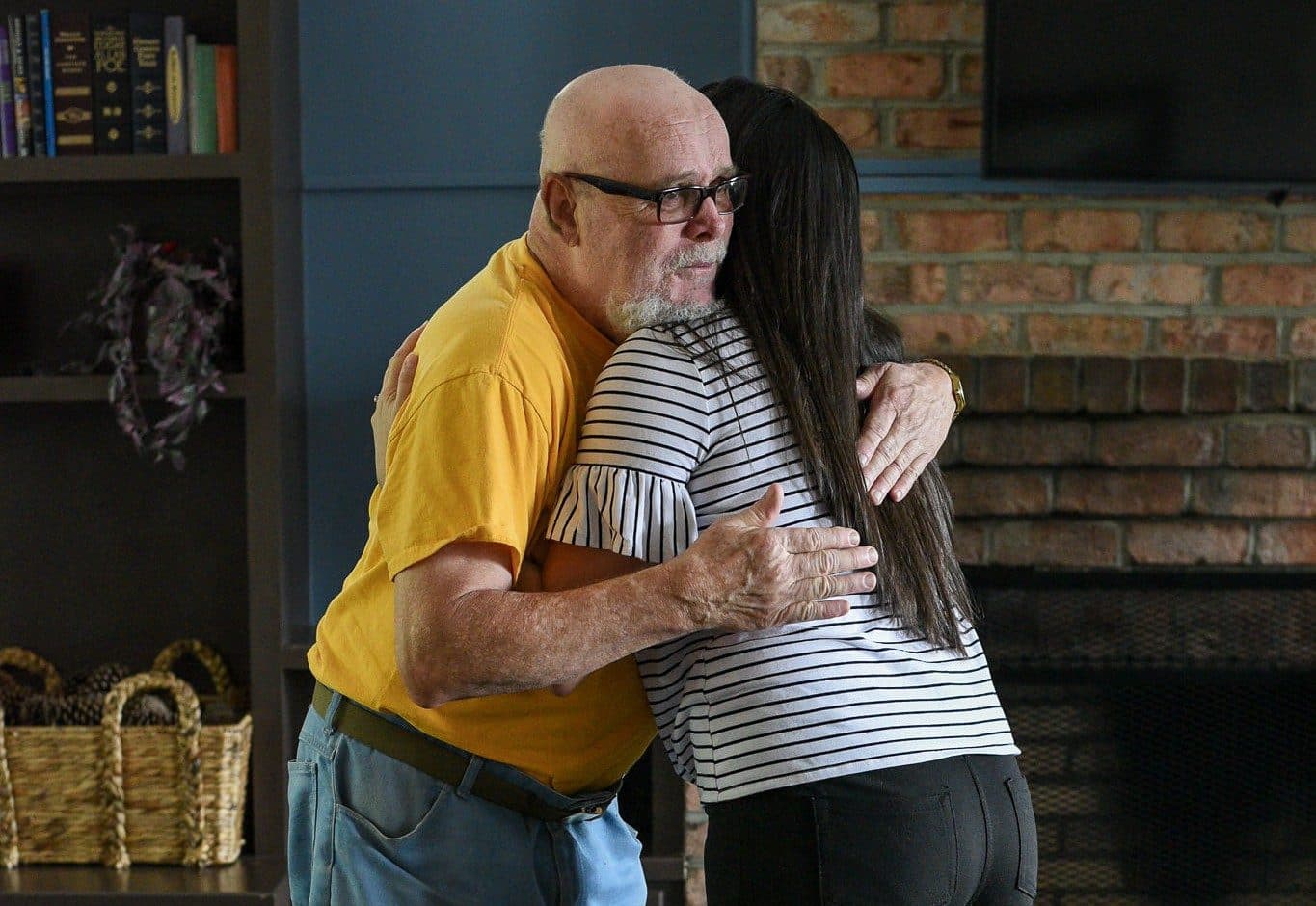
“Grief is like the ocean. It comes in waves, ebbing and flowing. Sometimes the water is calm, and sometimes it is overwhelming. All we can do is learn to swim.”
How we walk alongside you
From quiet conversations to community remembrance services, our bereavement team is here for every step.
Individualized Bereavement Visits
One-on-one visits in the home or at our offices, tailored to where you are in your grief journey.
Bereavement Mailings & Calls
Thoughtful check-ins and resources delivered over the thirteen months that follow a loss.
Camp Haven for Children
A one-day grief camp for children ages 5–12, with caring volunteers and age-appropriate activities.
Remembrance Services
Bi-annual Light of Life Memorial Celebrations in May and November, and the Forever Tree Lighting during the Christmas season.
Grief Support Groups
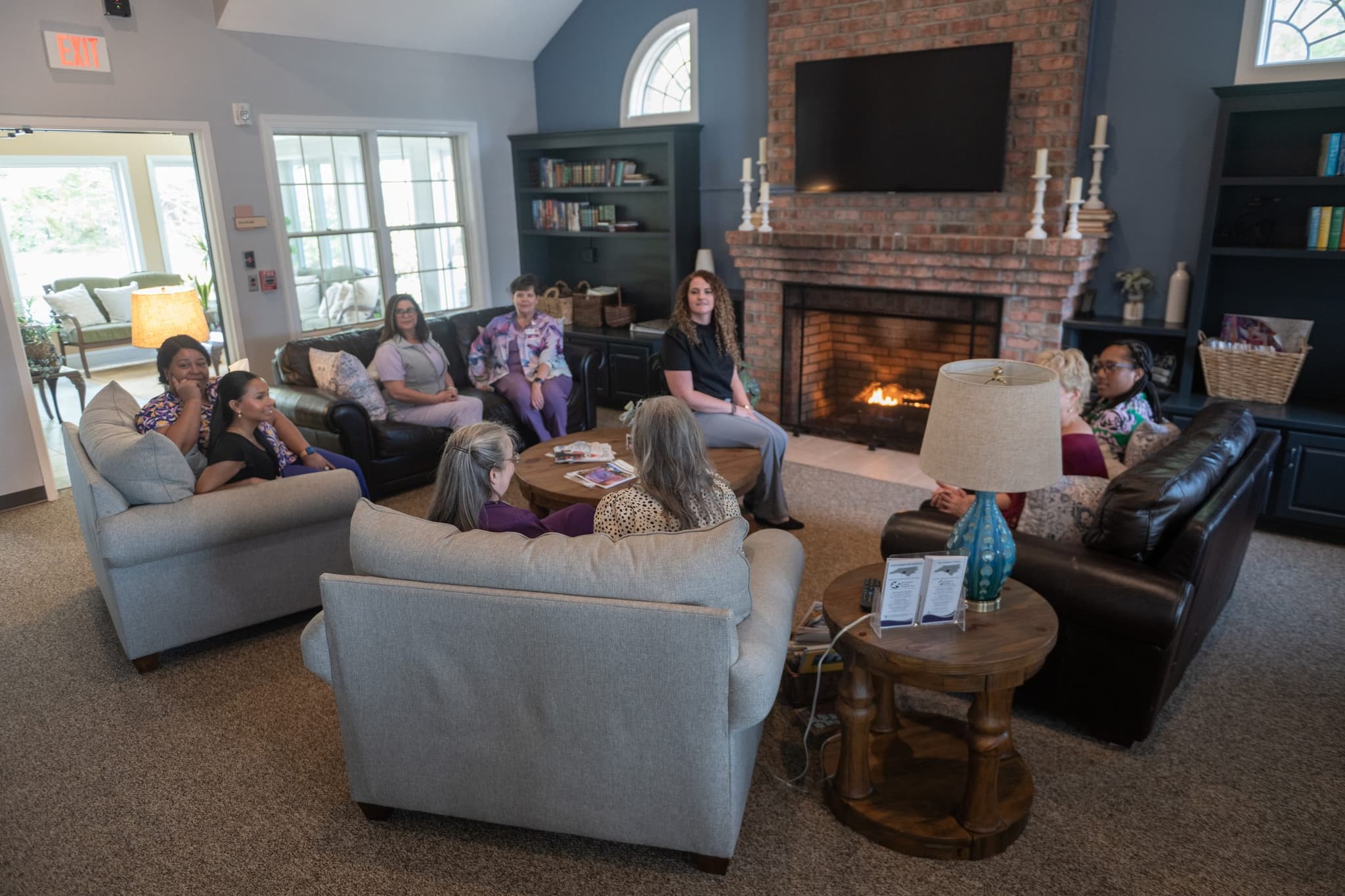
Our bereavement Social Worker leads two grief support groups each month for patients’ family members, their friends, and any community member who has experienced a loss. Light refreshments are served and the groups provide support in a warm, gentle setting.
When & where
Anson
1st Tuesday of each month at 5:30 p.m.
Anson Community Hospice Office (Wadesboro)
Richmond
1st Saturday of each month at 10:00 a.m.
Hospice Haven, in the living room
Managing your grief
Grief is a normal response of emotions, thoughts, and behaviors that follows the death of a loved one. There is no wrong way to grieve, unless it causes pain to yourself or others. Grief is very personal and has no time limit. Please don’t let others tell you how you are supposed to feel. You will likely move through a wide range of emotions, from shock and numbness to anger and deep sadness.
Common responses to grief
- Feeling empty and numb
- Physical symptoms: nausea, trouble breathing, fatigue, changes in eating and sleeping
- Anger at the situation, a person, or in general
- Guilt about what you believe you did or didn’t do
- Withdrawing from family, friends, or common activities
- Difficulty focusing, working, or making decisions
- Questioning faith and beliefs to find purpose in life
- Feeling a sense of presence from a deceased loved one
- Relief, because your role as a caregiver has ended, or your loved one is no longer suffering
A few helpful tips
- Talk about your loss
- Forgive yourself for what you “should” have said or done
- Eat well and move your body
- Indulge in reading, music, or a quiet activity you love
- Prepare ahead of time for holidays and anniversaries
- Pay attention to your grief, don’t push it away
- Don’t be afraid to ask for help
We are here when you need us
If you feel you may need help navigating the many emotions of your grief journey, please reach out to our Bereavement department.
Call 910-997-4464